

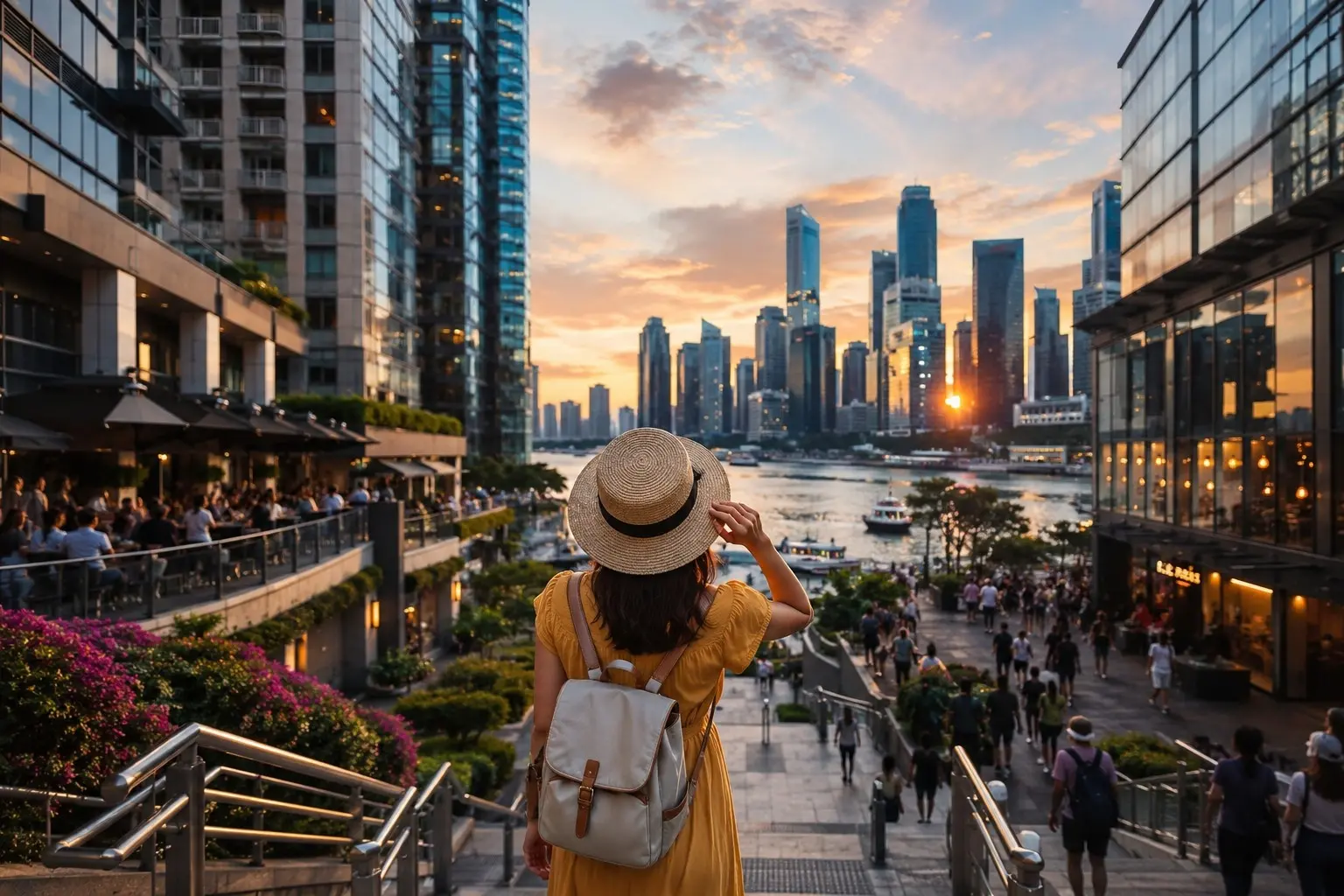
Urbanisation is reshaping the global tourism industry by changing how people travel, where they stay, and what they expect from destinations. As cities grow faster and become more connected, tourism is shifting toward urban experiences, smart infrastructure, cultural districts, and convenience-driven travel patterns.
Urbanisation is transforming tourism because modern travelers now prefer connected cities with better transport, digital services, entertainment hubs, and mixed cultural experiences. In 2026, rapidly expanding urban centers are driving tourism growth, influencing hotel development, changing traveler behavior, and creating new economic opportunities worldwide.
Why Urbanisation Is Reshaping the Global Tourism Industry has become one of the most discussed topics in travel economics and tourism development circles. Cities are expanding at a speed most people didn’t expect a decade ago, and tourism is evolving right alongside them.
You can already see it happening. Travelers are spending more time in urban hubs instead of isolated resort towns. Airports are becoming mini-cities. Local food streets are attracting more visitors than traditional sightseeing tours in some places. In my experience, modern tourists care less about postcard-perfect attractions and more about convenience, culture, nightlife, connectivity, and authentic city experiences.
That shift is changing the tourism business from the ground up.
What Is Urbanisation and Why Does It Matter?
Definition Box
Urbanisation: The process where more people move from rural areas into cities, leading to larger urban populations, expanded infrastructure, and economic growth.
Urbanisation matters because tourism follows people, infrastructure, and investment. When cities expand, they naturally become centers for transportation, entertainment, shopping, events, technology, and hospitality.
A growing city often creates better roads, improved airports, metro systems, co-working spaces, convention centers, and digital payment systems. Tourists benefit from all of it.
Here’s the thing most people overlook: tourism no longer depends only on beaches, monuments, or historical landmarks. Urban experiences themselves have become tourist attractions.
Cities like Dubai, Singapore, and Tokyo attract millions partly because urban life there feels exciting, efficient, and immersive.
That’s a major change from older tourism trends.
Why Urbanisation Matters in 2026
Urban tourism trends in 2026 are moving faster than many tourism boards expected. Population growth in metropolitan regions has created demand for smarter tourism systems and more flexible travel experiences.
Travelers today expect:
Fast public transportation
Mobile-first booking systems
Mixed-use entertainment districts
Reliable internet everywhere
Flexible accommodations
Sustainable urban travel
What’s interesting is that urbanisation has also shortened travel planning cycles. People often book city trips at the last minute because transportation and accommodation options are easier to access.
I’ve noticed another trend too. Many younger travelers now prefer “living like locals” over traditional sightseeing packages. They want neighborhood cafés, local markets, public festivals, rooftop spaces, and walkable districts.
That preference is reshaping global tourism economics.
Expert Tip
Cities investing in smart tourism infrastructure now will probably dominate tourism revenue over the next decade. Travelers increasingly reward destinations that reduce friction during trips.
How Urbanisation Is Changing International Travel Patterns
Urbanisation and international travel are deeply connected now. Large urban hubs act as gateways for tourism flows across continents.
Air connectivity is one major factor. Expanding cities usually develop larger international airports and stronger airline networks. That creates easier access for foreign tourists.
At the same time, tourism spending is becoming concentrated in urban districts. Restaurants, event venues, shopping centers, and cultural neighborhoods generate huge economic activity.
A realistic example helps here.
Imagine a traveler visiting Bangkok for five days. Twenty years ago, the trip might have focused on temples and guided tours. Today, the same traveler might spend time in co-working cafés, rooftop markets, digital art exhibitions, urban food districts, and nightlife zones.
Tourism has become more experience-driven than attraction-driven.
That subtle difference changes everything for businesses.
How to Adapt to Urban Tourism Trends Step by Step
1. Focus on Connected Experiences
Modern tourists want everything close together. Hotels near metro systems, entertainment districts, and airports usually perform better than isolated properties.
Tourism businesses should prioritize accessibility over size.
2. Invest in Digital Convenience
Urban travelers rely heavily on mobile technology. Online check-ins, digital payments, instant customer support, and app-based navigation are now expected.
What most guides miss is this: convenience often matters more than luxury.
3. Build Localized Experiences
Urban tourism works best when travelers feel connected to local culture. Food tours, art districts, neighborhood markets, and cultural workshops attract stronger engagement than generic travel packages.
4. Prioritize Sustainable Infrastructure
Crowded cities face pollution and congestion issues. Sustainable tourism strategies like electric transport, pedestrian zones, and green spaces improve both tourism appeal and resident satisfaction.
5. Create Flexible Accommodation Models
Urbanisation has accelerated demand for short stays, hybrid workspaces, and mixed accommodation options. Travelers increasingly combine work and leisure during trips.
That trend probably isn’t slowing down anytime soon.
6. Use Data to Understand Tourist Movement
Smart cities now track tourism patterns to improve transport flow, event planning, and visitor experiences. Businesses using tourism analytics can adapt much faster to changing behavior.
Expert Tip
Tourism companies that combine digital convenience with authentic local experiences tend to retain customers longer and generate stronger repeat visits.
Why Smart Cities Are Becoming Tourism Magnets
Smart tourism is no longer just a fancy phrase. It’s becoming the foundation of urban travel.
Cities using technology effectively create smoother visitor experiences through:
Smart transportation systems
AI-powered travel assistance
Digital tourism maps
Real-time crowd management
Contactless services
But here’s the counterintuitive part.
Technology alone doesn’t make cities attractive. Travelers still want emotional experiences. A highly automated city without culture or personality can feel strangely forgettable.
In my opinion, the best tourism cities combine efficiency with human energy. That balance matters more than most planners admit.
Seoul is a good example. The city blends advanced infrastructure with street food culture, nightlife, fashion districts, and historical areas. Visitors get both convenience and character.
That mix keeps tourism thriving.
The Economic Impact of Urbanisation on Tourism
Urbanisation creates massive tourism-related economic opportunities. Hotels, airlines, restaurants, transport services, entertainment businesses, and retail sectors all benefit from rising visitor numbers.
Large cities also attract business tourism, which is often more profitable than leisure tourism.
International conferences, trade events, exhibitions, and startup summits generate year-round travel demand. A city doesn’t need a beach when it hosts global business events every week.
I once spoke with a hotel operator who noticed corporate bookings overtaking vacation bookings in certain months. That would’ve sounded unusual years ago. Now it’s common in many urban tourism markets.
Urban growth is changing tourism revenue structures entirely.
Are There Negative Effects of Urbanisation on Tourism?
Yes, and ignoring them would be a mistake.
Overcrowding is becoming a serious issue in popular urban destinations. Residents sometimes feel pushed out by rising costs, heavy tourist traffic, and commercial expansion.
Environmental pressure is another concern.
More tourism activity often increases:
Waste generation
Traffic congestion
Energy consumption
Housing pressure
Air pollution
Cities that fail to balance tourism growth with local quality of life usually face backlash sooner or later.
That’s why sustainable tourism development matters so much in 2026.
Expert Tip
Tourism boards should measure resident satisfaction alongside visitor satisfaction. Cities that ignore local communities often struggle with long-term tourism stability.
Why Travelers Are Choosing Cities Over Traditional Resorts
Urban destinations offer flexibility that traditional tourism locations sometimes can’t match.
Travelers can combine:
Work and leisure
Shopping and culture
Business meetings and entertainment
Food tourism and nightlife
Short stays and long-term visits
Younger generations especially value variety.
A resort might feel relaxing for three days. A dynamic city can offer something different every hour. That keeps visitors engaged longer and increases tourism spending.
What surprises many industry experts is that smaller urban neighborhoods are now competing with famous landmarks for attention.
People want stories, not just sightseeing photos.
Expert Tips and What Actually Works
From what I’ve seen, tourism businesses that adapt fastest to urbanisation usually share a few common traits.
They stay flexible.
Rigid tourism models struggle because traveler expectations change quickly in urban environments. Businesses that personalize experiences tend to perform better.
Another overlooked point is transportation proximity. A hotel five minutes from a metro station often outperforms a more luxurious hotel in an isolated location.
That sounds simple, but it changes booking decisions constantly.
My hot take? Some tourism boards still spend too much money promoting attractions instead of improving visitor movement inside cities. Travelers remember frustrating transport experiences far longer than advertising campaigns.
Smooth experiences quietly drive tourism growth.
People Most Asked About Urbanisation and Tourism
How does urbanisation affect global tourism?
Urbanisation improves tourism infrastructure, transportation, digital connectivity, and entertainment options. Expanding cities attract more travelers because they offer convenience, cultural experiences, and business opportunities in one place.
Why are cities becoming popular tourist destinations?
Cities provide diverse experiences within smaller geographic areas. Travelers can access restaurants, nightlife, shopping, cultural events, and transportation easily, which makes urban travel more efficient and appealing.
Does urbanisation help local economies through tourism?
Yes, in most cases urban tourism creates jobs, boosts hospitality sectors, supports small businesses, and increases international investment. However, poor planning can also create housing and environmental pressures.
What is smart tourism?
Smart tourism uses technology to improve travel experiences. This includes digital booking systems, AI travel support, smart transportation, and real-time visitor management within cities.
Can urbanisation negatively impact tourism?
Absolutely. Overcrowding, pollution, rising living costs, and traffic congestion can reduce visitor satisfaction if cities grow without proper planning.
Why do younger travelers prefer urban tourism?
Many younger travelers prefer flexibility, local culture, nightlife, digital convenience, and mixed experiences. Urban destinations usually provide all of these in one place.
How can tourism businesses adapt to urbanisation?
Businesses should focus on accessibility, digital services, localized experiences, sustainability, and flexible travel offerings to stay competitive.
Urbanisation is reshaping the global tourism industry because modern travelers increasingly value connected experiences, cultural diversity, convenience, and urban energy. Cities are no longer just gateways to tourism destinations. In many cases, they’ve become the destination itself.
Businesses, tourism boards, and hospitality brands that understand this shift early will probably stay ahead as urban tourism trends continue evolving throughout 2026 and beyond.
Our network platforms like PR Wires and Web InfoMatrix help businesses, startups, and SEO professionals improve brand visibility through press release distribution services, digital marketing services, and high authority backlinks that support stronger SEO ranking, media coverage, organic traffic, and instant publishing opportunities across competitive online markets.