

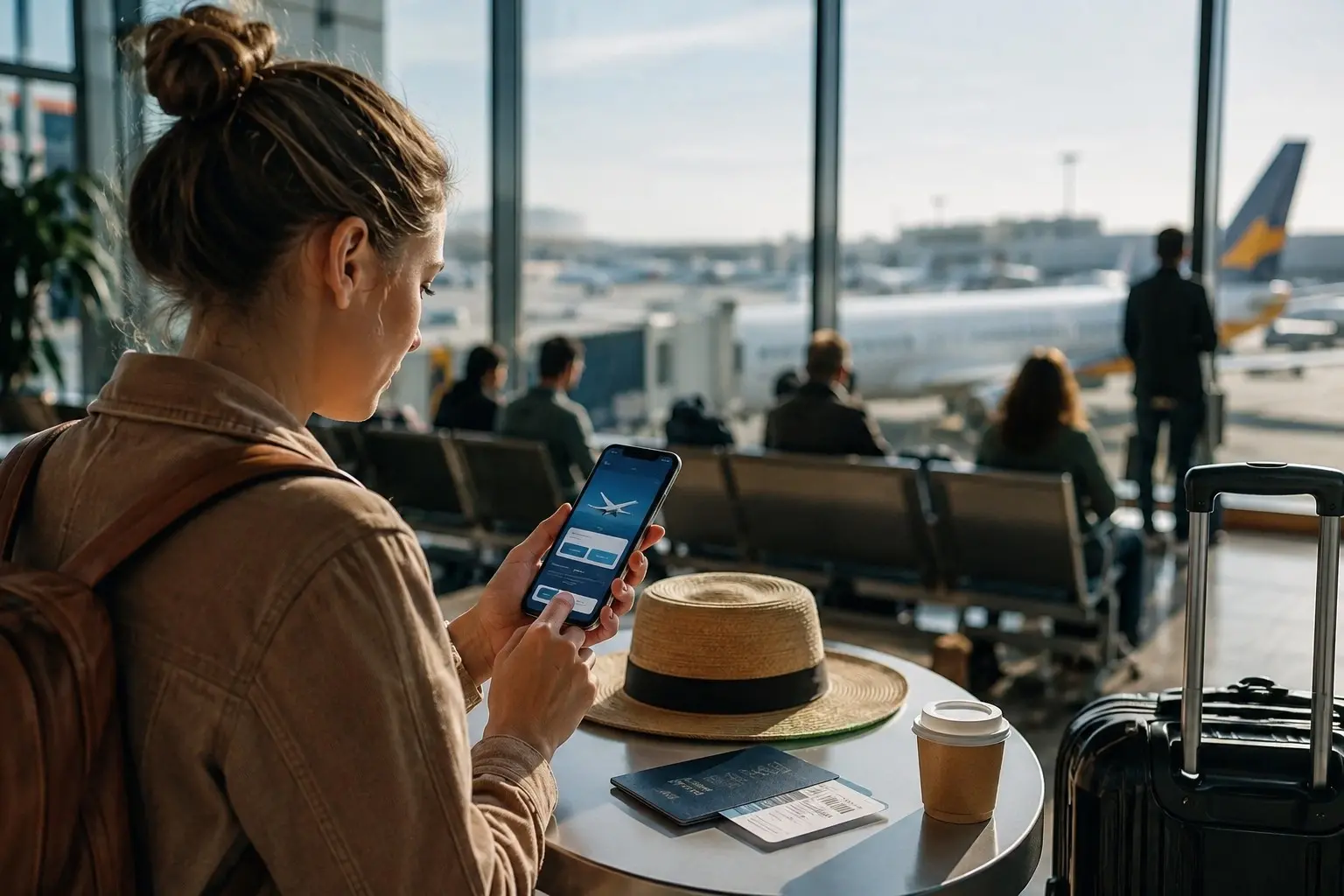
International travel has changed fast because of mobile commerce. Travelers now book flights, reserve hotels, exchange currency, buy tickets, and even translate languages directly from their phones within minutes. Research on mobile commerce and its impact on international travel shows that mobile-first behavior is shaping how people plan, experience, and share trips across the world.
Mobile commerce is transforming international travel by making bookings faster, payments simpler, and travel experiences more personalized. Travelers increasingly rely on smartphones for trip planning, navigation, digital payments, and real-time travel decisions, which is pushing airlines, hotels, and tourism businesses to redesign services around mobile users.
Research on mobile commerce and its impact on international travel reveals something bigger than just easier online booking. Smartphones have quietly become travel companions. People don’t wait until they reach home to compare hotel prices anymore. They do it while standing outside the property. Travelers now expect instant confirmations, mobile payment options, and personalized recommendations wherever they go.
I've noticed that even budget travelers are spending more confidently when mobile apps reduce friction. That small shift matters. Mobile commerce isn’t only changing how travel is purchased; it’s reshaping traveler behavior itself. From digital boarding passes to one-click currency exchange, mobile technology now influences almost every stage of international tourism.
Definition Box
Mobile Commerce: Mobile commerce, often called m-commerce, refers to buying and selling products or services through smartphones and mobile devices using apps, mobile websites, or digital payment systems.
What Is Mobile Commerce and Why Does It Matter?
Mobile commerce refers to commercial transactions completed through mobile devices. In travel, that includes flight bookings, hotel reservations, ride-sharing payments, travel insurance purchases, event ticketing, and digital wallet transactions.
Here's the thing. Convenience alone isn't the full story.
Mobile commerce matters because travelers want speed and flexibility. International travelers often make decisions in real time. Someone might book a same-day hotel room after missing a train connection or reserve attraction tickets while eating lunch in another country.
Travel companies understand this shift. Airlines now prioritize mobile boarding systems. Hotels push app-based check-ins. Restaurants accept QR payments. Tourism boards even create mobile-focused travel campaigns because that's where attention lives now.
Secondary keywords such as mobile payment systems, digital travel booking, and travel e-commerce trends are becoming central topics in tourism research because consumer behavior keeps evolving faster than traditional travel systems can adapt.
Expert Tip: Travel businesses that optimize only for desktop users are probably losing international customers without realizing it. Mobile loading speed and simple checkout processes often affect conversions more than flashy design.
Why Mobile Commerce Matters in 2026
The year 2026 represents a turning point for global travel technology. More countries are supporting cashless tourism, and travelers increasingly trust mobile payments overseas.
What most people overlook is that younger travelers aren't the only users driving this trend. Older travelers are adapting quickly too, especially after experiencing contactless systems during recent years.
Several forces are accelerating this change:
Faster International Payments
Cross-border mobile payment apps now reduce currency conversion headaches. Travelers can pay instantly without carrying large amounts of cash.
AI-Powered Travel Personalization
Travel apps track preferences and suggest nearby restaurants, hotels, and experiences. Sometimes it feels a little too accurate, honestly. But users still engage because convenience wins.
Rise of Last-Minute Booking Behavior
Research shows travelers increasingly make spontaneous travel purchases. A smartphone makes impulsive booking easier than ever.
Social Commerce Influencing Travel
People discover destinations through short-form videos and immediately book trips through embedded mobile links. That connection between inspiration and transaction is shortening dramatically.
Growth of Digital-Only Travelers
Some travelers now complete entire journeys without printed documents, physical maps, or even local currency.
In my experience, businesses that adapt early to mobile-first tourism usually gain customer trust faster because travelers associate convenience with reliability.
How Mobile Commerce Is Changing International Travel Step by Step
1. Travelers Discover Destinations Through Mobile Content
Most travelers begin with mobile searches, travel videos, reviews, or social recommendations. Travel inspiration no longer starts with brochures or desktop research.
A traveler scrolling late at night might see a beach destination video and book flights within an hour.
2. Booking Happens Instantly
Digital travel booking systems allow travelers to reserve flights, hotels, airport transfers, and activities directly from mobile apps.
The booking journey has become shorter. Fewer clicks. Faster decisions.
3. Mobile Payments Reduce Friction
Travelers use digital wallets, QR payments, and mobile banking abroad without depending heavily on physical cash.
This matters especially in busy tourism hubs where speed affects customer satisfaction.
4. Real-Time Updates Improve Travel Experiences
Mobile alerts notify travelers about gate changes, weather conditions, local transportation delays, or hotel upgrades instantly.
Years ago, travelers depended on information desks. Now notifications do most of the work.
5. Travelers Share Experiences Immediately
Social sharing influences future tourism demand. Photos, reviews, and travel recommendations posted during trips create instant global exposure for destinations.
That feedback loop is incredibly powerful.
Expert Tip: Travel brands should simplify mobile checkout pages aggressively. Every extra field probably lowers conversions, especially for international users dealing with slow networks or language barriers.
How Airlines, Hotels, and Tourism Brands Are Responding
Travel companies aren't just adopting mobile commerce. They're restructuring entire customer journeys around it.
Airlines
Airlines now encourage travelers to use apps for check-ins, baggage tracking, upgrades, and boarding passes. Some airports even support facial recognition linked to mobile identities.
Hotels
Hotels increasingly offer app-controlled room access, mobile concierge services, and digital payments. Travelers often prefer avoiding front desk queues completely.
Tourism Attractions
Museums, amusement parks, and guided tour providers use mobile ticketing systems to reduce wait times and improve visitor flow.
Local Businesses
Restaurants and local shops in tourist areas now depend heavily on QR payments and mobile promotions aimed at international visitors.
Let me be direct. Businesses ignoring mobile optimization are probably invisible to many travelers under 35.
A Counterintuitive Reality Most Businesses Miss
Many travel brands assume flashy apps automatically improve customer experience.
That's not always true.
Sometimes a lightweight mobile website performs better than an overloaded app. Travelers abroad may have weak internet access, limited storage, or roaming restrictions.
I’ve seen travelers abandon booking apps simply because login verification became annoying during airport transit. Small frustrations matter more during travel than businesses realize.
The smartest travel companies focus less on complexity and more on reducing stress.
That difference changes everything.
Real-World Example: Mobile Payments Boosting Tourism Spending
Consider a hypothetical traveler visiting Japan for the first time.
Before mobile commerce became common, they might carry excessive cash, struggle with transportation tickets, and hesitate before making purchases due to currency confusion.
Now the same traveler uses a mobile wallet for train fares, restaurant payments, attraction tickets, and shopping. Transactions feel easier, so spending confidence increases naturally.
Tourism economies benefit from that convenience.
A similar trend appears in parts of Europe where mobile train bookings and app-based tourism passes simplify multi-country travel significantly.
What Challenges Still Exist?
Despite rapid growth, mobile commerce in international travel still faces obstacles.
Security Concerns
Travelers worry about data theft, fake booking platforms, and payment fraud.
Connectivity Problems
International roaming costs and unstable internet connections can disrupt mobile travel experiences.
Digital Exclusion
Not every traveler feels comfortable with fully digital systems. Some still prefer human assistance.
Privacy Questions
AI-powered travel recommendations rely heavily on personal data collection. That makes some users uneasy.
Honestly, I think the industry still hasn't found the perfect balance between personalization and privacy.
Expert Tip: Travel companies should always provide backup offline options like downloadable tickets or maps. Technology fails sometimes, especially during international transit.
How Mobile Commerce Impacts Travel Spending Behavior
Research suggests mobile commerce increases spontaneous spending.
Why?
Because smartphones remove pauses from decision-making.
A traveler walking through a city can instantly buy concert tickets, reserve dinner tables, or upgrade hotels without returning to a computer. Impulse purchases rise when convenience increases.
Interestingly, travelers also compare prices more aggressively on mobile devices. That creates stronger competition among travel providers.
So mobile commerce increases spending while also forcing businesses to become more price transparent.
That balance is fascinating.
What the Future of Mobile Commerce in Travel Might Look Like
Travel technology will probably become even more invisible.
Biometric identity systems could replace traditional passports in some airports. AI travel assistants may automatically rebook missed connections. Augmented reality navigation might guide travelers through unfamiliar cities without opening maps manually.
Some experts believe wearable devices could eventually replace smartphones for many travel transactions.
Maybe. But smartphones still dominate because they're versatile, familiar, and globally accessible.
At least for now.
Expert Tips: What Actually Works for Travel Businesses
Businesses trying to benefit from mobile commerce should focus on practical improvements instead of chasing trends blindly.
Prioritize Mobile Speed
Slow websites frustrate travelers quickly, especially during bookings.
Simplify Payment Options
Offer digital wallets, local payment systems, and multi-currency support.
Create Real-Time Customer Support
Travelers expect instant answers during stressful situations.
Use Personalized Recommendations Carefully
Suggestions should feel useful, not invasive.
Optimize for International Users
Language support and currency conversion matter more than many companies think.
In my opinion, the best travel experiences are the ones where technology quietly removes friction instead of demanding attention constantly.
People Most Asked About Research on Mobile Commerce and Its Impact on International Travel
How does mobile commerce affect international tourism?
Mobile commerce makes international travel easier by simplifying booking, payments, navigation, and customer support through smartphones. It increases convenience and often encourages more spontaneous travel spending.
Why are travelers using mobile payments abroad more often?
Travelers prefer mobile payments because they're faster, safer than carrying large amounts of cash, and easier for currency conversion. Contactless systems also reduce waiting times.
What industries benefit most from mobile commerce in travel?
Airlines, hotels, transportation services, restaurants, tourism attractions, and local retailers benefit heavily from mobile-driven travel behavior.
Are mobile travel apps replacing traditional travel agencies?
Not entirely. Many travelers still value expert advice for complex trips, but mobile platforms now handle a large percentage of routine bookings and travel management.
What risks come with mobile commerce in tourism?
Data privacy concerns, cyber fraud, connectivity issues, and overdependence on digital systems remain major challenges for travelers and businesses alike.
How can small tourism businesses compete in mobile commerce?
Small businesses can stay competitive by optimizing mobile websites, accepting digital payments, improving local SEO visibility, and offering quick mobile-friendly booking systems.
Final Thoughts
Research on mobile commerce and its impact on international travel shows that smartphones are no longer optional travel tools. They're central to how people discover destinations, spend money, manage bookings, and navigate experiences abroad. Travel companies that understand this shift are building smoother, faster, and more personalized services that match modern traveler expectations.
The interesting part is that mobile commerce isn't slowing down. Travelers now expect flexibility everywhere they go, and businesses that reduce friction usually earn stronger loyalty in return.
Our network platforms also help businesses improve brand visibility through guest posting services, press release news submission, SEO solutions, and local business listing support across the UK market. Companies looking for high authority backlinks, better SEO ranking, organic traffic growth, and wider media coverage can explore services from Press Release Power and Rank Locally UK to strengthen digital reach with instant publishing opportunities and targeted online exposure.