

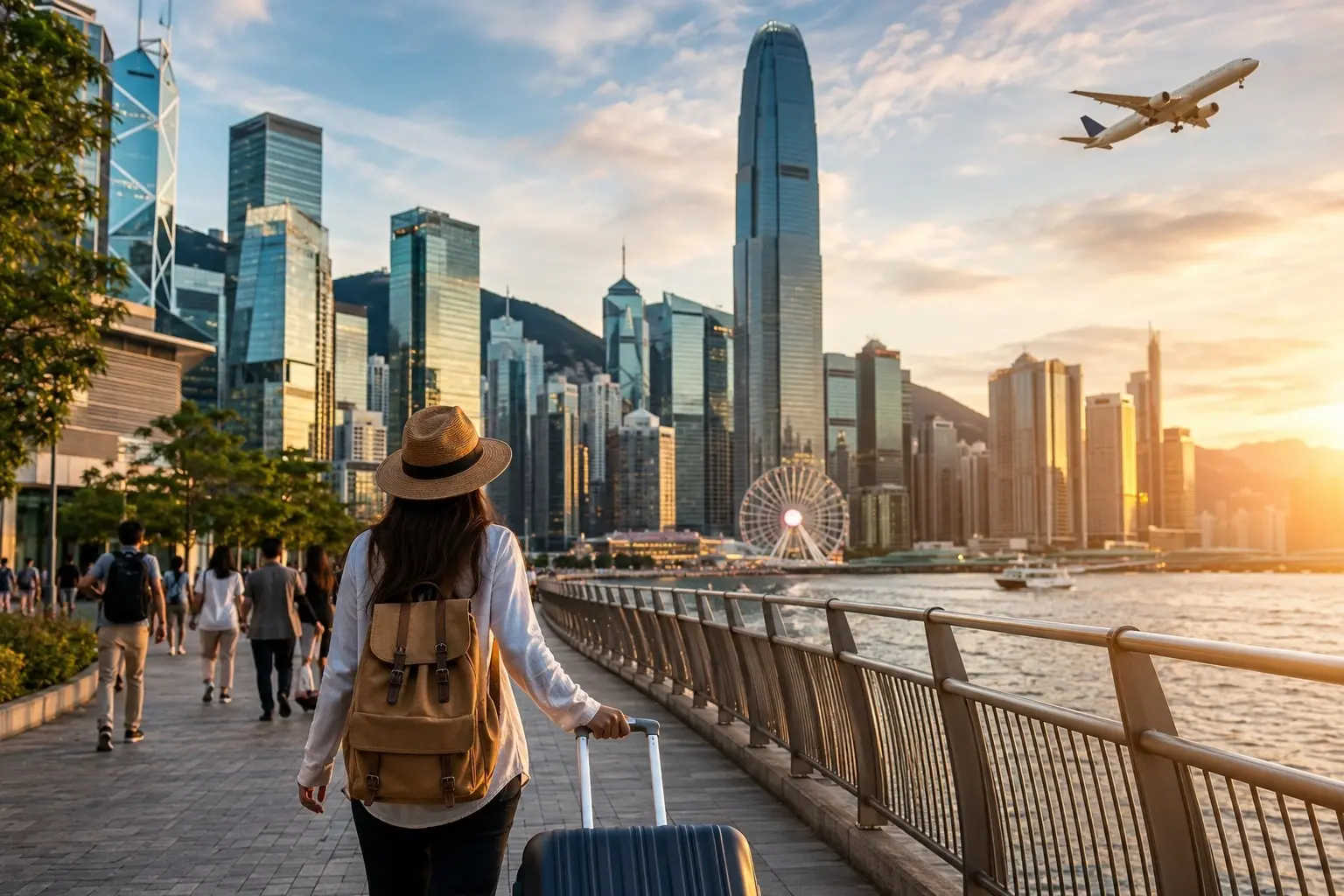
Urbanisation is changing the way people travel, where they travel, and even why they travel. As cities grow larger and more connected, international tourism is becoming faster, more digital, and heavily centered around urban experiences. From smart airports to cultural districts and remote work hubs, urbanisation is reshaping global travel patterns in ways most travelers don’t immediately notice.
Urbanisation affects international travel by improving infrastructure, increasing global connectivity, creating tourism-driven cities, and changing traveler behavior. Bigger urban centers attract more airlines, investments, business tourism, and digital nomads, while also creating challenges like overcrowding, rising costs, and environmental pressure.
What Is Urbanisation and Why Does It Matter?
Urbanisation: the process where more people move from rural areas into cities, leading to the expansion of urban infrastructure, housing, transportation, and economic activity.
Research on urbanisation and its impact on international travel shows a direct relationship between city growth and tourism expansion. When cities develop better transportation systems, airports, hotels, entertainment districts, and digital infrastructure, they naturally become stronger travel destinations.
Here’s the thing most people overlook: travelers rarely choose countries first anymore. In many cases, they choose cities.
A person might say they’re visiting Japan, but what they really mean is Tokyo. The same goes for Paris, Dubai, Singapore, or New York. Urban centers have become global tourism brands on their own.
That shift matters because international travel spending increasingly flows into urban economies rather than rural tourism zones.
Why Urbanisation Matters in 2026
Urbanisation in 2026 isn’t just about population growth. It’s about connected living.
Modern travelers expect seamless mobility, mobile payments, smart public transport, high-speed internet, digital visas, and fast airport processing. Cities that adapt quickly tend to attract more tourists, investors, conferences, and global events.
Research on urbanisation and its impact on international travel highlights several important trends:
Cities Are Becoming Travel Ecosystems
Large urban centers now combine tourism, business, education, healthcare, and entertainment into one experience. Travelers often combine multiple purposes into a single trip.
Someone attending a business summit might stay an extra week for leisure travel. A student visiting for education may later bring family members as tourists. Urbanisation supports these mixed-purpose journeys.
International Airports Drive Tourism Growth
Major cities invest heavily in airport expansion because global access equals economic opportunity. Better flight connectivity increases tourism revenue dramatically.
In my experience, cities with efficient airports and metro systems usually outperform naturally beautiful destinations that lack infrastructure. Convenience changes traveler decisions more than many tourism boards admit.
Digital Nomads Prefer Urban Hubs
Remote workers now choose cities with strong internet, coworking spaces, affordable transportation, and vibrant social scenes.
Places like Lisbon, Bangkok, and Dubai have benefited from this shift because urbanisation created environments where people can work and travel at the same time.
Urban Tourism Creates Economic Ripple Effects
Hotels, restaurants, transport services, shopping districts, and entertainment venues all benefit from international visitors. Urbanisation helps centralize these industries, making cities economic engines for tourism.
Still, there’s a downside.
Overtourism is becoming a serious issue in highly urbanized destinations. Rising rental prices, crowded transport systems, and environmental stress are already pushing some cities to rethink tourism policies.
How Urbanisation Changes International Travel Step by Step
1. Cities Expand Infrastructure
Urbanisation leads to larger airports, metro systems, highways, and hospitality networks. This makes international travel smoother and more accessible.
Travelers are more likely to visit destinations where movement feels easy.
2. Businesses Invest in Tourism
As urban populations grow, businesses open hotels, shopping centers, cultural attractions, and entertainment zones to meet demand.
That investment strengthens tourism appeal over time.
3. Airlines Increase Global Routes
High-demand cities attract more international flights. More routes usually mean lower ticket prices and greater travel flexibility.
What most guides miss is that air connectivity often determines whether a city becomes globally relevant for tourism.
4. Digital Services Improve Traveler Experience
Urbanisation encourages digital transformation. Travelers now expect app-based transportation, contactless payments, multilingual navigation, and online bookings.
Without those systems, even beautiful destinations can struggle competitively.
5. Cities Become Global Brands
Urban destinations market themselves through culture, architecture, nightlife, technology, sports, and food experiences.
Modern tourism is increasingly experience-driven rather than destination-driven.
A Real-World Example of Urbanisation Affecting Travel
Dubai is probably one of the clearest examples of how urbanisation transforms international travel.
A few decades ago, it was primarily known for regional trade. Today, urban development turned it into one of the world’s busiest tourism and aviation hubs. Massive airport investments, luxury hospitality, public transport systems, and entertainment districts helped create a city designed around global movement.
Another interesting example is Singapore.
Despite its small geographic size, urban planning helped position it as a major international transit and tourism center. Efficient transportation, safety, cleanliness, and digital innovation continue attracting millions of visitors annually.
These examples show that tourism growth rarely happens accidentally. Urbanisation often creates the foundation first.
What Is the Connection Between Smart Cities and Travel?
Smart cities use technology and data to improve urban living. That includes traffic systems, public transportation, digital security, tourism management, and environmental monitoring.
Research on urbanisation and its impact on international travel increasingly focuses on smart tourism ecosystems.
Travelers now expect:
Real-time navigation
Mobile hotel check-ins
AI-powered travel recommendations
Digital transit passes
Contactless airport experiences
Honestly, travelers become impatient very quickly when cities lack digital convenience. That’s changed tourism competition completely.
Expert Tip
Cities investing in digital infrastructure often see stronger tourism growth than destinations relying only on traditional sightseeing attractions. Convenience creates repeat visitors.
The Hidden Problem Urbanisation Creates for Tourism
Urbanisation helps tourism grow, but it can also damage travel experiences if growth becomes uncontrolled.
Overcrowding is the obvious issue. Yet there’s another problem people rarely discuss: cities can lose cultural authenticity when tourism expansion becomes too commercialized.
I once visited a heavily marketed urban destination that looked impressive online but felt strangely artificial in person. Local neighborhoods had been replaced by luxury retail zones and tourist-focused attractions. Everything felt designed for social media rather than real culture.
That’s the counterintuitive part.
Sometimes aggressive urban tourism development weakens the very identity that attracted visitors originally.
Cities now face pressure to balance economic growth with livability and heritage preservation.
How Urbanisation Impacts Different Types of Travelers
Business Travelers
Urbanisation improves convention centers, transport networks, and corporate infrastructure. This supports international conferences and business tourism growth.
Leisure Tourists
Modern travelers seek entertainment districts, nightlife, shopping, museums, and food tourism — all concentrated in cities.
Digital Nomads
Remote workers prioritize affordability, internet reliability, and social infrastructure. Urban hubs attract long-term international visitors more effectively.
Medical Travelers
Urban healthcare systems increasingly attract international patients seeking advanced treatment and specialized care.
Student Travelers
Global universities located in major cities create steady international mobility throughout the year.
Common Misconception About Urbanisation and Travel
Bigger Cities Don’t Always Mean Better Tourism
Many people assume larger cities automatically become stronger tourism destinations.
Not necessarily.
Some rapidly urbanizing cities struggle with pollution, congestion, poor planning, and infrastructure stress. Travelers notice those issues quickly.
Smaller cities with better planning often deliver stronger visitor experiences than overcrowded mega-cities.
That’s why sustainable urbanisation matters more than simple expansion.
Expert Tips: What Actually Works for Urban Tourism Growth
Cities that succeed in tourism usually focus on experience quality rather than just visitor numbers.
Here’s what consistently works:
Efficient public transportation
Walkable urban districts
Strong digital infrastructure
Cultural preservation
Clean public spaces
Airport accessibility
Mixed-use entertainment zones
In most cases, travelers remember how easy a city felt more than how large it was.
Another important point: governments increasingly use tourism analytics and AI tools to manage visitor flows. That helps reduce overcrowding while improving traveler satisfaction.
Expert Tip
Urban destinations that balance modernization with local culture tend to achieve stronger long-term tourism loyalty and better international reputation.
How Sustainability Is Reshaping Urban Travel
Environmental concerns are now deeply connected to urban tourism planning.
Cities are introducing:
Electric public transport
Green buildings
Car-free tourism zones
Smart energy systems
Sustainable airport operations
Travelers, especially younger generations, are paying attention to sustainability more than before.
Research on urbanisation and its impact on international travel suggests eco-conscious tourism policies may become a competitive advantage rather than just a public relations strategy.
People Most Asked About Research on Urbanisation and Its Impact on International Travel
How does urbanisation increase international tourism?
Urbanisation improves transportation, infrastructure, hospitality services, and digital connectivity. These upgrades make cities more accessible and attractive to international travelers.
Why are cities becoming more popular tourist destinations?
Cities offer convenience, entertainment, business opportunities, shopping, cultural attractions, and transportation access in one location. Many travelers prefer multi-purpose destinations.
Does urbanisation negatively affect tourism?
Yes, it can. Poorly managed urbanisation may lead to overcrowding, pollution, traffic congestion, higher costs, and loss of cultural authenticity.
What role do airports play in urban tourism?
Airports are central to global connectivity. Cities with strong international flight networks generally attract more tourists and business travelers.
How do smart cities improve travel experiences?
Smart cities use digital systems for transportation, payments, navigation, security, and tourism management, making travel faster and more convenient.
Are digital nomads influencing urban travel trends?
Absolutely. Remote workers increasingly choose cities with strong internet access, affordable living, coworking spaces, and lifestyle amenities.
Why is sustainable urbanisation important for tourism?
Sustainable urbanisation helps cities manage tourism growth while protecting local communities, infrastructure, and environmental resources.
Final Thoughts
Research on urbanisation and its impact on international travel shows that cities now sit at the center of global tourism growth. Urban development shapes how travelers move, spend, work, and experience destinations. Faster transportation, digital convenience, and global connectivity continue pushing urban tourism forward, although challenges like overtourism and sustainability remain serious concerns.
The cities that will dominate international travel in the coming years probably won’t just be the biggest. They’ll be the ones that feel efficient, human, connected, and authentic at the same time.
Businesses, agencies, and startups looking to strengthen brand visibility and improve SEO ranking can benefit from high authority backlinks and instant publishing through PR Wires and Rank Locally UK. Their services support media coverage, organic traffic growth, digital marketing services, and press release distribution services designed for competitive online growth.