

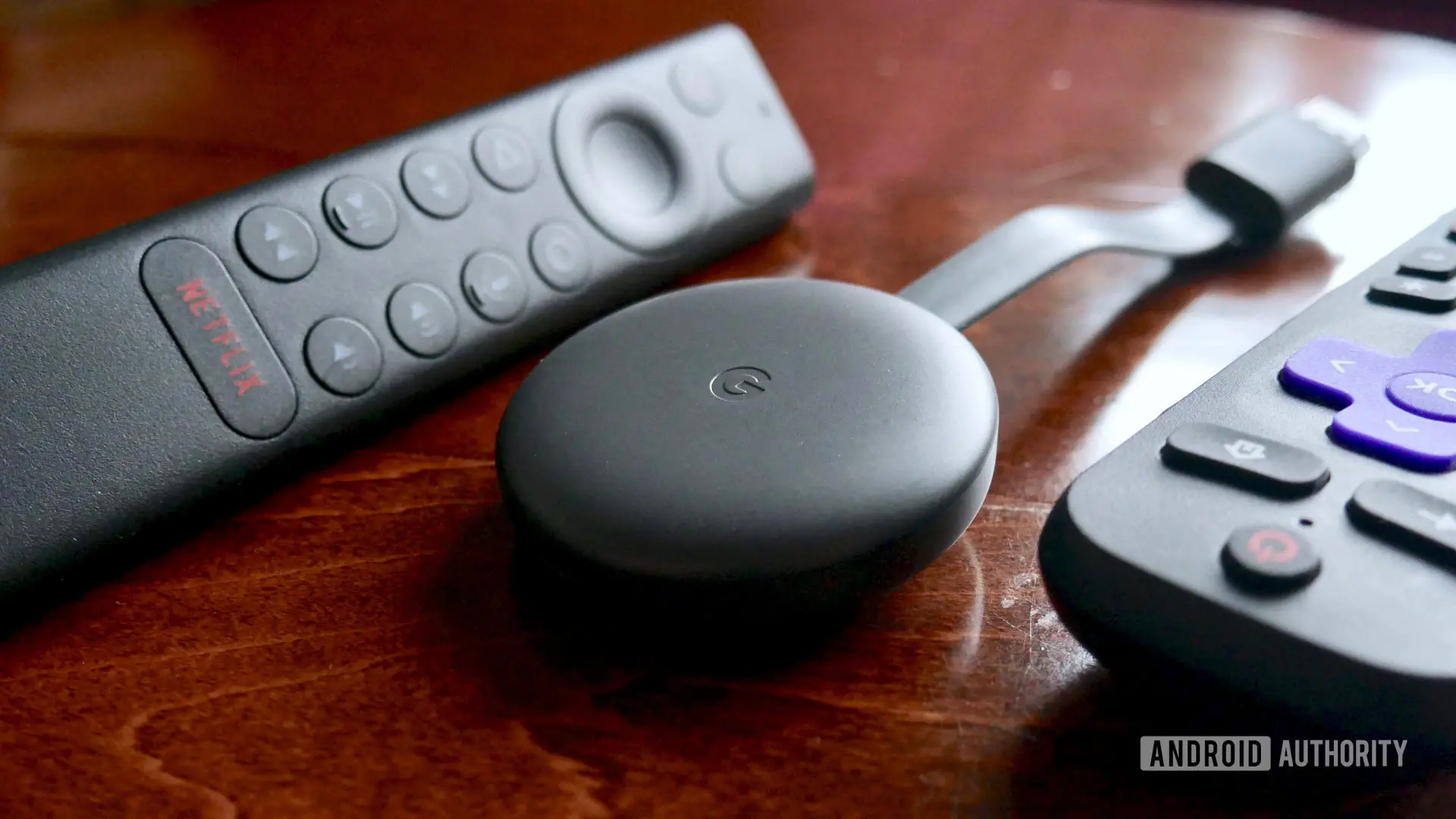
There is arguably no single product more responsible for ushering in the modern era of TV streaming than Google’s humble Chromecast. With just a few bucks and an HDMI port, anyone could transform their dumb TV into a modern streaming marvel—or simply sidestep the disappointing built-in apps on their smart TV. Recently, a concerning number of users reported problems streaming to Chromecasts, sparking fears that the end of an era had arrived. Today, good news: Google has shared an update and deployed a fix.
The Outage That Sparked Panic
Earlier this week, reports started piling up from Chromecast users unable to stream content to their devices. Affected users encountered errors when trying to cast from popular apps like Netflix, YouTube, and Disney+. The issue appeared widespread, impacting multiple Chromecast models, including the first-generation, second-generation, and Chromecast Ultra. Social media platforms, especially Reddit, buzzed with complaints and speculation.
Rumors quickly took off that Google might be abandoning the Chromecast. Some users worried that streaming services were turning their backs on the hardware. The fears were not entirely unfounded: Netflix had recently blocked access for certain older models, citing security concerns. That move had already left many with a bitter taste, and the new outage felt like the final nail in the coffin.
Google’s Initial Response
For a day, users were left in the dark. Then, on a Reddit thread dedicated to the issue, a Google representative posted: “We are investigating an issue impacting the ability to cast some services on Chromecast devices. We’ll circle back with an update as soon as we can. Thank you for your patience.” While this was a small comfort, many interpreted the careful wording as a sign that Google might not have a quick fix—or that the devices were truly at the end of their life.
However, only last night, Google returned with a much more optimistic statement: “The issue impacting the ability to cast some services to Chromecast devices has been resolved.” Users began reporting that their Chromecasts were working again, first in trickles, then in a flood of relieved posts. The panic began to subside.
What Went Wrong?
Google has not publicly detailed the root cause of the outage. But based on the speed of the fix and the nature of the symptoms, experts speculate it may have been a server-side authentication issue. Streaming services often require a secure handshake between the casting app and the device. If Google’s backend certificate or token system went stale or misconfigured, millions of devices could suddenly fail to validate, causing the cast requests to be rejected.
This is not the first time such a glitch has hit Chromecast. In early 2023, a similar outage affected casting from YouTube, though it was resolved within hours. The latest incident, lasting about 48 hours, was notably longer and more widespread. Given that Chromecast relies on cloud infrastructure for much of its functionality—especially the initial pairing and ongoing verification—the hardware itself is not necessarily at fault.
The Chromecast Legacy
Introduced in 2013, the original Chromecast revolutionized how people consume media. Before then, streaming boxes like Apple TV or Roku required a remote and a complex interface. Chromecast simplified everything: you just tap a button on your phone and the content plays on the TV. It was cheap, intuitive, and powerful. Over the years, Google iterated the design, adding 4K support, Ethernet, and even a remote with the Chromecast with Google TV.
Despite the rise of smart TVs and dedicated streaming sticks, the Chromecast remains popular, especially among users who value phone-based control. Millions of units are still in active use worldwide. The recent outage highlighted just how many people rely on these dongles. The fear that Google might shut down the service for older models is understandable: the company has a history of discontinuing hardware support for older products (the Pixelbook, the Nexus line, or the original Daydream View). However, Chromecast seems to be a different story. The fact that Google jumped to fix this issue suggests they are not ready to pull the plug.
What About Older Models?
One of the greatest concerns is the long-term viability of first- and second-generation Chromecasts. These devices no longer receive firmware updates, and some streaming apps have already dropped support. For example, the Disney+ app requires a minimum Chromecast version, and older models are increasingly excluded from new features. While the latest outage was not a deliberate deprecation, it served as a reminder that these devices’ days are numbered. The fix extends their life, but for how long?
Google has not announced an official end-of-life, but experts suggest users consider upgrading to the latest Chromecast with Google TV HD or 4K models, which continue to get updates and run a full Android TV interface. The newer devices are more resilient to cloud-side changes because they have local apps and a more robust operating system. However, for those who love the simplicity of the original cast-only experience, the reprieve is welcome.
Broader Implications for Smart Home Reliability
The Chromecast outage is a case study in how cloud-dependent hardware can fail. When the cloud service goes down, the device becomes almost unusable. This problem is not unique to Google. Amazon’s Fire TV, Apple TV, and Roku all rely on backend servers for authentication, app updates, and casting. But Chromecast is particularly sensitive because it has no local interface or apps; it is essentially a dumb receiver that requires a phone or computer to command it.
For consumers, this raises the question: Should we invest in devices that can work offline or with minimal cloud dependence? The answer is not simple. Streaming inherently requires internet connectivity, but the authentication layer should be resilient. Google’s quick fix is reassuring, but the outage showed that even a temporary glitch can disrupt millions of people’s entertainment.
How to Check If Your Chromecast Is Working Again
If you were affected, try casting from your usual apps. Most users report that the issue is resolved. Google also says if you still encounter problems, you should contact support. It might be a lingering edge case related to specific network configurations or outdated app versions. As a general tip, ensure your Chromecast firmware is up to date (even for older models, Google occasionally pushes minor updates), restart your device, and check that your phone or tablet has the latest version of the casting apps.
Additionally, some users find that power cycling the Chromecast and router helps clear any cached errors. While the core issue was server-side, local troubleshooting can sometimes accelerate the recovery. If nothing works, a factory reset might be necessary, but that should be a last resort.
What Does This Mean for Future Chromecasts?
With the rise of Google TV, the future of the standalone Chromecast is uncertain. The Chromecast with Google TV essentially replaced the original concept with a full-fledged streaming platform. However, Google still sells the Chromecast HD (the latest model) which supports casting as well as a remote. It seems that the casting-only Chromecast will eventually fade away, but the technology behind it—the ability to send content from phone to TV—will live on in all Google TV devices and even smart TVs with built-in Chromecast.
Meanwhile, third-party devices like NVIDIA Shield TV also support Chromecast natively. The protocol is now deeply integrated into Android and the wider media ecosystem. Killing the Chromecast name does not mean the end of casting. But for the millions of loyal users with the original dongles, this week’s scare was a stark reminder that tech products have limited lifespans, and cloud-dependent features can vanish without warning.
Android Authority readers have been following this story closely. The immediate resolution is a relief, but it also raises questions about long-term support. For now, though, users can go back to enjoying their streaming without interruption. Google’s swift action demonstrates that the company still cares about the Chromecast community, even if the product line’s future is evolving.
Source: Android Authority News