

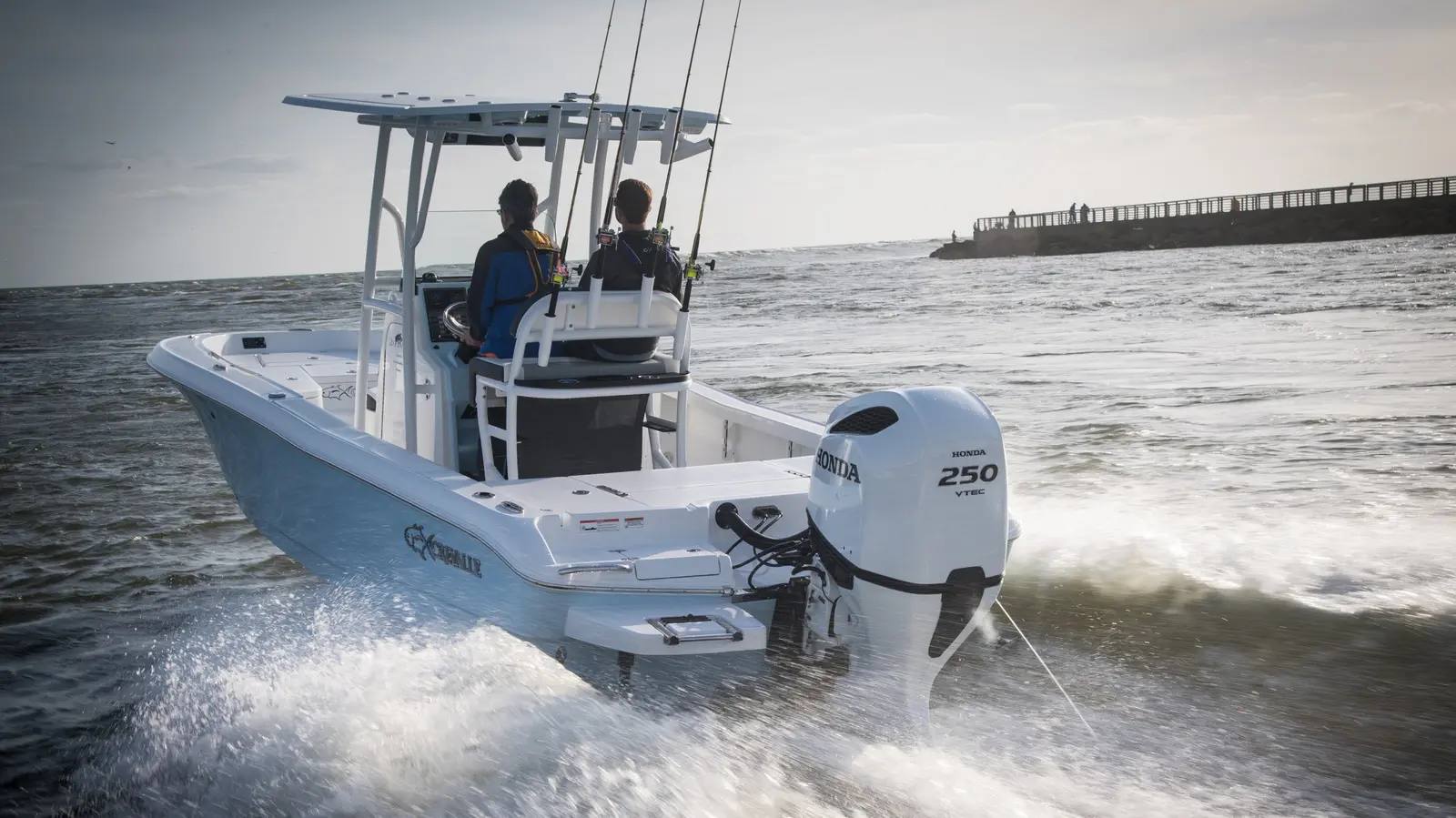
Compared to a car engine, a marine engine, especially an outboard motor, has a very rough life. Of course, it's subjected to a lot of water (and sometimes saltwater at that) and it's constantly being jostled around bumping up and down on the waves. Your average Yamaha outboard motor – especially the most powerful motors – has a much harder life than a car engine. Unlike a car engine's life which is measured in miles, an outboard's life is measured in hours. It's a little like the life of a lawnmower or tractor. In the past, your run of the mill outboard motor would only live to see about 800 to 1,000 hours before needing major work or an entire rebuild. Of course, there is no hard and fast number when it comes to hours.
These days, that's not the case as boat engines have gotten more advanced, more efficient, and more resistant to corrosion. Now, a modern outboard motor's lifespan can be measured in thousands of hours. High-quality four-stroke outboards from brands like Yamaha, Honda, and Mercury can easily reach 3,000 to 5,000 hours with proper care, and some commercial operators report even higher numbers. Two-stroke outboards, while lighter and more powerful for their size, generally have shorter lifespans, often around 1,500 to 2,000 hours before a rebuild is needed. The shift to electronic fuel injection and advanced materials like stainless steel and corrosion-resistant alloys has dramatically improved reliability.
Key Factors Affecting Outboard Lifespan
Several variables determine how long your outboard motor will last. The most important is saltwater exposure. Saltwater is highly corrosive and can quickly eat away at an engine's internal components if not properly flushed. Freshwater boats generally see much longer engine lives. Another critical factor is operating conditions. Running an engine at wide-open throttle for extended periods, especially in heavy seas, puts more stress on the powerhead than cruising at moderate speeds. Frequent short trips that don't allow the engine to fully warm up can also lead to moisture buildup and sludge formation in the oil.
Maintenance is the absolute most important factor for longevity. Well maintained engines can log thousands, or even tens of thousands of miles because the operator is adhering to maintenance schedules borderline religiously. Keeping up with maintenance is the same reason you'll see an old F-150, Chevy Tahoe, or Toyota Camry climb to 300,000 or 400,000 miles before complaining. For outboards, this means regular oil changes (every 100 hours or annually), replacing fuel filters, checking spark plugs, and inspecting the cooling system. Flushing the engine with fresh water after every saltwater use is non-negotiable, as is proper winterization in cold climates.
Average Lifespan by Usage Type
For the average recreational boater who just goes out on the water on weekends and vacations, a modern four-stroke outboard motor will run for about 1,500 hours before needing a major overhaul. That might translate to 10 to 15 years of enjoyable use. However, for commercial operators who run their engines daily, careful maintenance can push that number to 5,000 hours or more. Charter fishing boats, patrol vessels, and water taxis often rely on outboards that log hundreds of hours per year, and their owners are meticulous about service intervals.
Engine size also plays a role. Larger outboards with higher horsepower often have longer design lives because they are built to handle rugged workloads. For example, a Yamaha 250HP V8 outboard is designed for heavy-duty offshore use and can easily exceed 4,000 hours. Smaller kicker motors used for trolling might only last 1,000 hours because they are operated at low RPMs, leading to carbon buildup. The key is matching engine type to your specific boating needs and staying on top of scheduled maintenance.
Warranty Information from Major Brands
Leading manufacturers offer warranties that give insight into expected lifespans. Honda, for instance, provides a five-year warranty for commercial outboard engines that covers catastrophic defects. Honda's warranty is even transferrable if you're buying a used engine, which indicates confidence in longevity. High-performance brands like Mercury Marine offer warranties of up to three years for its motors, while Yamaha typically offers three-year warranties for recreational use. These warranties apply to both two-stroke and four-stroke models but often require proof of proper maintenance to remain valid. Some brands also offer extended warranties through third-party providers, which can be worthwhile for high-hour users.
Best Practices for Extending Outboard Life
The bottom line is, if you want your outboard motor to last, keep it maintained. Beyond routine service, there are several habits that can add hundreds or thousands of hours to your engine's life. First, always use the correct fuel and oil. Modern four-strokes require low-ethanol fuel to prevent phase separation and corrosion, and they also need high-quality marine engine oil with the right viscosity. Second, avoid idling for long periods, as this can cause fuel dilution in the oil and reduce lubrication. Third, operate the engine at a variety of RPMs during each trip, not just at one speed, to help burn off carbon deposits.
Storage is another critical area. If you keep your boat in the water, use antifouling paint on the lower unit and consider a boat lift or dry storage. For saltwater environments, a freshwater flush after every use is essential. During winter or long off-seasons, drain the lower unit oil, fog the cylinders, and stabilize the fuel. Many boaters also install a fuel-water separator to keep moisture out of the fuel system. By following these practices, you can expect your outboard to provide many years of reliable service.
Source: SlashGear News