

Survey Reveals 50% of Users Dislike New Google Health App
It has been just over a week since Fitbit users were forcibly migrated to the new Google Health app, and the backlash has been swift and loud. A comprehensive survey of over 1,500 readers reveals that the majority of users are deeply unhappy with the redesign. While the app’s visual refresh is generally considered an improvement, the underlying user experience has taken a significant step backward, leaving many users frustrated and even considering leaving the Google ecosystem altogether.
Background: The Fitbit to Google Health Transition
Google completed its acquisition of Fitbit in 2021, and since then the company has been slowly integrating Fitbit’s hardware and software into its own health ecosystem. The goal was to create a unified health platform that combines Fitbit’s fitness tracking with Google’s machine learning capabilities and the Health Connect framework. The new Google Health app is the culmination of that effort, promising a more cohesive experience with better insights and a modern interface. However, the rollout has been marred by technical glitches and a user interface that many find counterintuitive.
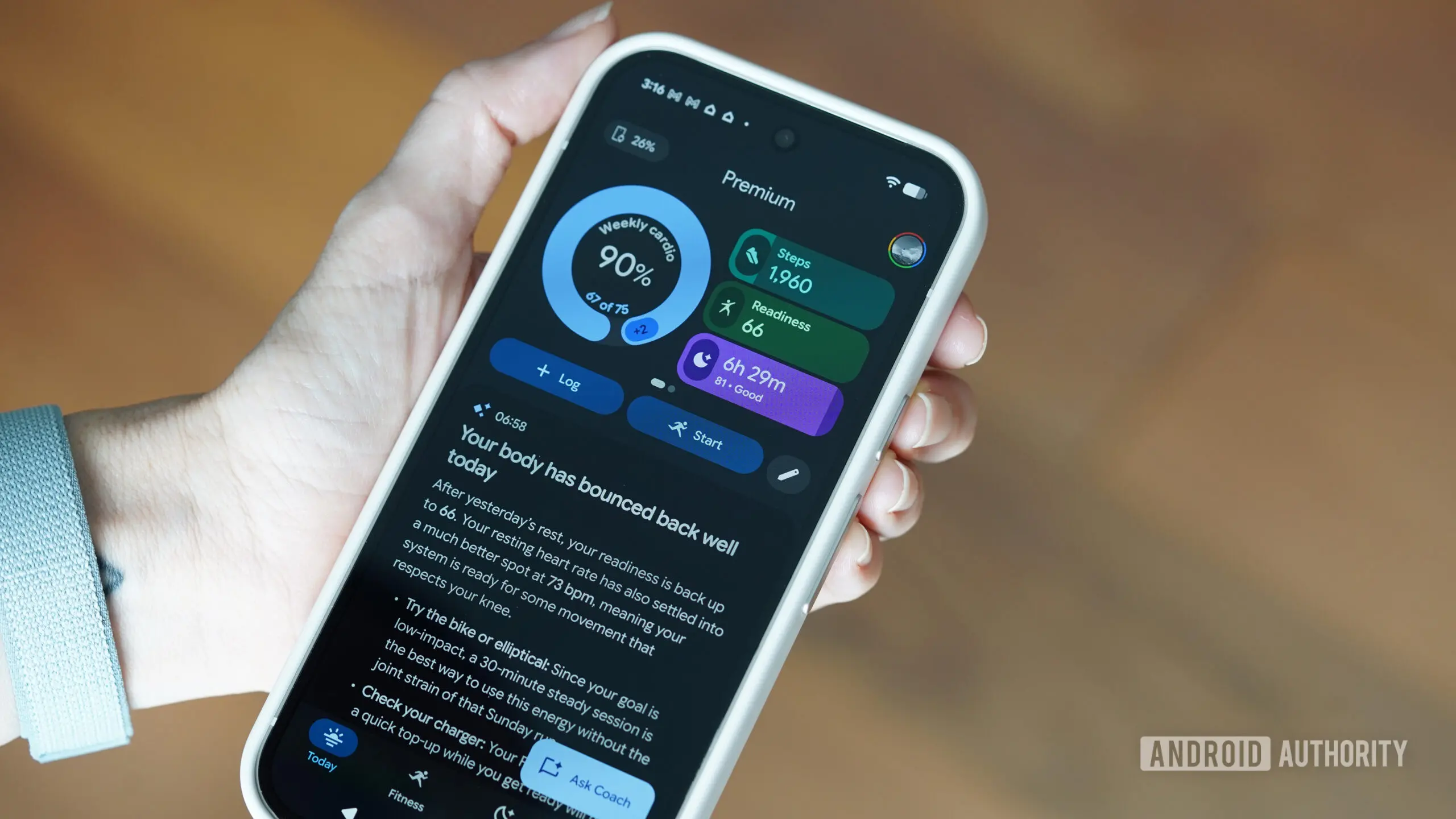
For longtime Fitbit users, the app represents a drastic departure from the simple, data-focused approach they had grown accustomed to. The new app replaces clear, customizable dashboards with a heavily AI-driven, text-heavy interface that buries core metrics under layers of scrolling and unnecessary commentary.
Survey Results: A Divided User Base
The survey, which gathered over 1,500 responses, paints a stark picture of user sentiment. Slightly more than half of respondents (51%) said that while the new app looks better than the old Fitbit app, they actively dislike using it. An additional 9% reported they had not yet received the new app update, suggesting that the rollout is still ongoing and more negative feedback may be forthcoming.
Only 23% of voters said the app is both gorgeous and works well—less than a quarter of all users. A mere 5% claimed they love how the app functions but dislike the visual design. The remaining 13% were indifferent. These numbers indicate a clear preference for the old app’s functionality over the new aesthetic.
Key Pain Points: Missing Features and Poor Usability
The most frequently cited complaints revolve around the removal or obfuscation of basic metrics. Users report that finding daily step counts, hourly movement data, and historical trends has become a near-impossible quest. The Health tab now displays a wall of AI-generated text before any data, forcing users to scroll past verbose descriptions before reaching actual numbers. Graphs are no longer sortable or customizable, and many users note that the new layout requires significantly more taps and swipes to access the same information that was previously one click away.
One reader lamented, “Since the forced ‘upgrade’ to Google Health, it seems that finding most basic metrics has become a near impossible quest. I’m still trying to find how I might discover the most basic information previously easily available, such as how many steps I might have taken on a previous day. This app is just beyond poor.” Another longtime Fitbit user expressed frustration: “I hate EVERYTHING about the new app! Nothing is intuitive, and I can’t easily review my trends. The new Google Health app is making me look at Apple Watches.”
The AI coach, which provides daily summaries and recommendations, has also drawn heavy criticism. Many users find its tone condescending and its content redundant. “I hate the smarmy, obsequious, condescending platitudes that the AI bot graciously bestows upon my efforts every day,” one Reddit user wrote. Others note that while the concept of an AI coach could be valuable, the current implementation takes up too much screen real estate and offers little insight beyond what a simple graph could convey. One public preview participant shared their experience: “I was part of the public preview and gave lots of feedback that matches this article. I don’t think anyone at Google is listening. The rambling AI text is generally unhelpful and repetitive. If I could choose to enter a detailed AI coaching session, that would add value, but not in the in-your-face way it’s designed now.”
Missing Features and Bugs
Beyond the interface issues, the new app is missing several features that Fitbit users relied on. The hourly move reminders have disappeared, making it harder for users to stay active throughout the day. The ability to add a workout after the fact no longer incorporates GPS data or calorie estimates properly. Food logging, which was already limited, has become worse: users report increased friction, premium-only features for basic nutritional tracking, and no support for logging food in grams. Sleep data often appears stuck on “calculating,” and historical trends are difficult to access. The inability to reorder tiles on the home screen has been a particular sore point; users are stuck with whatever order Google decides is best.
These bugs and omissions have led to a flood of complaints on social media and forums. A Reddit thread dedicated to the new app has amassed over 600 comments, many echoing the same frustrations. One user noted, “The fact that you can’t move the tiles around is ridiculous.” Another added, “You can’t see all your stats on one screen without endless scrolling.”
The Exodus Begins
The dissatisfaction has already prompted many users to consider switching platforms. Garmin is frequently mentioned as a top alternative, thanks to its robust data presentation and reliable hardware. Apple Watch is also cited by users who are willing to leave the Android ecosystem altogether. Given that Fitbit has been a dominant player in the wearable market for years, this potential exodus represents a significant threat to Google’s ambitions in health and fitness.
Some users, however, have defended the new app. A few appreciate the AI coach’s guidance, noting that it helps them set and stick to targets. “I love the AI coach. It’s made me plan and focus a lot more,” one reader wrote. Another argued that the app finally provides context for raw numbers: “They had all these numbers for the longest time without feedback. Having feedback first is refreshing.” Yet even these positive voices acknowledge that the implementation is far from perfect and that data visibility should be prioritized over AI-generated text.
Analysis: Where Google Went Wrong
The missteps with the Google Health app highlight a broader tension at Google between data-driven design and user experience. The company’s fascination with AI and machine learning has led it to prioritize text-based summaries over clear visualizations. While AI can provide valuable insights, it should not replace the core data displays that users rely on for their daily health tracking. Moreover, the lack of customization and the forced scrolling through AI summaries suggest that the design team did not fully understand how Fitbit users actually interact with their data.
The public preview program, which allowed users to test the app before launch, seems to have been largely ignored. Participants provided extensive feedback about the very issues that are now making headlines, yet the final product shipped without significant changes. This has eroded trust in Google’s ability to listen to its user base and deliver a polished experience.
To salvage the situation, Google urgently needs to address the most critical complaints: restore missing features like hourly move reminders and customizable tiles, improve data visibility by allowing users to pin their most-used metrics, and significantly reduce the prominence of the AI coach. A toggle to collapse AI summaries would be a quick win. Until these changes are made, the new Google Health app will continue to drive users away, potentially damaging Fitbit’s reputation and Google’s standing in the wearable market.
Source: Android Authority News