

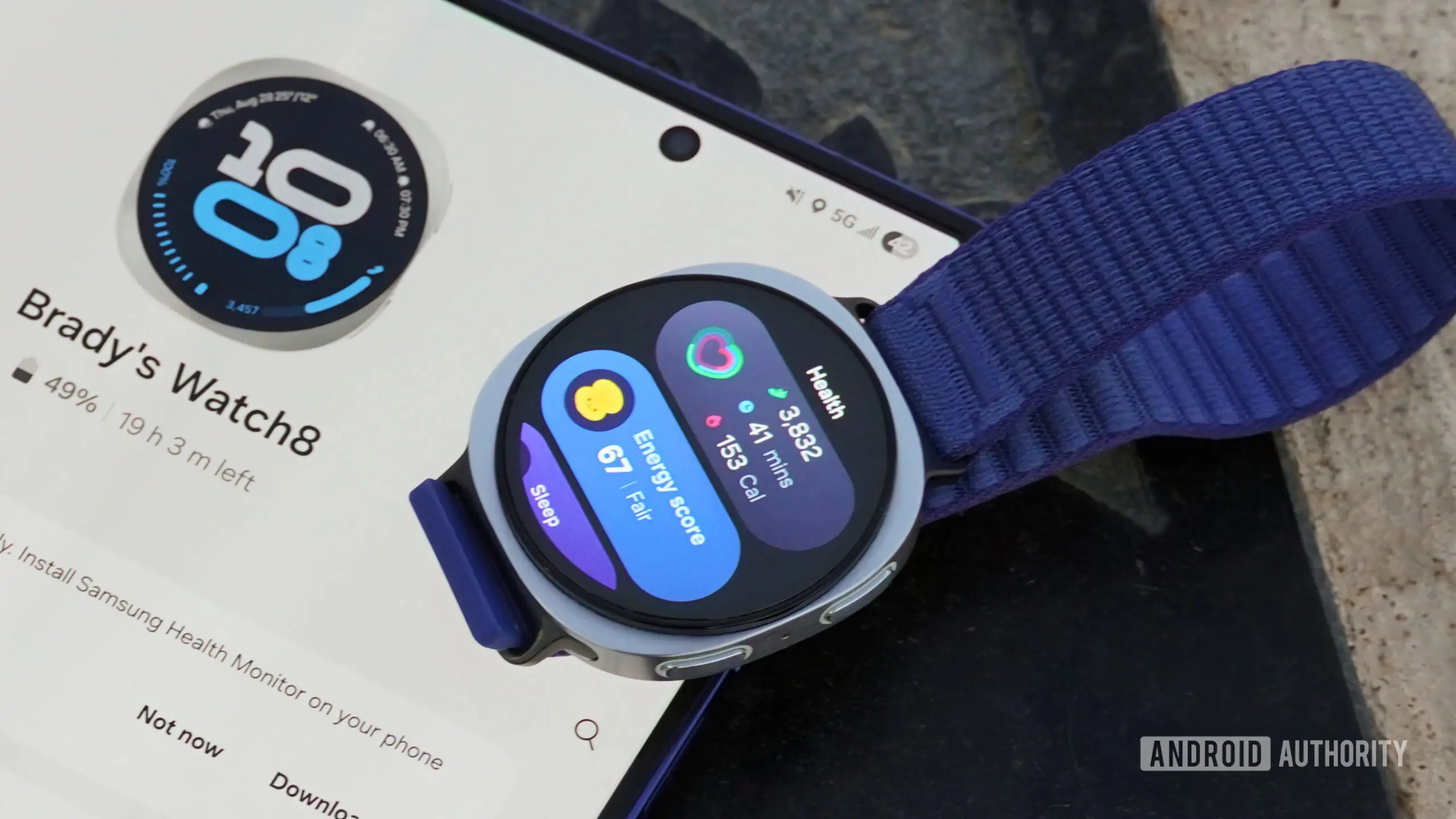
Samsung's Health Tracking Evolution
Samsung has been a key player in the smartwatch market for years, with the Galaxy Watch series steadily improving its health-tracking capabilities. The introduction of the BioActive sensor in 2022 marked a significant leap, allowing the watch to measure heart rate, sleep quality, body composition, and activity levels from a single sensor. However, despite the wealth of data collected, many users have found it difficult to interpret what those numbers mean for their daily lives. Raw heart rate variability scores, sleep stage breakdowns, and body fat percentages often sit in apps, rarely revisited. With the anticipated One UI 9 Watch update, Samsung aims to change that by making the data actionable and understandable through artificial intelligence.
The Leak: One UI 9 Watch Beta
According to tipster @TonySamsunglove on X, Samsung is gearing up to roll out the first beta version of One UI 9 Watch. The new software is expected to focus heavily on Galaxy AI, Samsung's brand of on-device and cloud-based artificial intelligence. This isn't just a minor update; it represents a fundamental shift in how the smartwatch interacts with users. Instead of being a passive data collector, the Galaxy Watch could become a proactive health coach. The leak suggests that AI-generated health reports will be a core feature, summarizing trends and offering personalized recommendations based on a user's habits over time.
From Data Dump to Insights
The main problem with current smartwatch health tracking is information overload. Users see daily heart rate charts, sleep scores, and step counts but lack context. One UI 9 Watch may change this by using machine learning to identify patterns. For example, if a user's resting heart rate consistently spikes after certain activities or late-night meals, the watch could flag that correlation and suggest adjustments. Similarly, sleep data might be analyzed to recommend changes in bedtime routines to improve deep sleep phases. The system could even predict future trends, such as a potential drop in energy levels based on recent activity patterns, and advise the user to take a rest day.
BioActive Sensor Enhancements
The tipster also mentioned that Samsung is optimizing the BioActive sensor for the next release. While specific new metrics were not disclosed, industry speculation points to possible additions like continuous stress tracking with more nuance, advanced skin temperature monitoring, or even non-invasive blood glucose monitoring. Although Samsung has not confirmed, the company has invested heavily in optical sensor technology. Improving the sensor's accuracy and adding new capabilities would provide more data points for AI algorithms to work with, making the personalized coaching even more reliable. The combination of better hardware and smarter software could give Samsung a competitive edge over rivals like the Apple Watch and Fitbit.
The Role of Wear OS 7
One UI 9 Watch will likely be based on Google's Wear OS 7 platform. Wear OS 7 is expected to introduce deeper Gemini AI integration, better battery life optimizations, live activity updates, and improved workout tracking systems. These platform-level upgrades provide a strong foundation for Samsung's AI features. For instance, Gemini could assist with natural language queries about health data, allowing users to ask questions like 'How did I sleep last night compared to last week?' and get a conversational response. Battery life improvements are also crucial for continuous health monitoring; with more efficient sensors and processors, users can wear the watch longer without worrying about charging, ensuring more comprehensive data collection.
Availability and Beta Plans
If Samsung follows its traditional beta rollout strategy, the One UI 9 Watch beta should be available first for the Galaxy Watch 8 series in South Korea and the United States. After a few weeks of testing and feedback, the beta would expand to other regions and eventually to older Galaxy Watch models. This approach allows Samsung to refine the AI algorithms with real-world data before a stable public release. Users eager to try the new health features may need to sign up through the Samsung Members app. The stable version is expected to launch later in 2026, possibly alongside a new Galaxy Watch model.
Impact on Users and the Smartwatch Market
The shift to proactive health coaching could have a profound impact on how people engage with their health data. Many users abandon smartwatches after a few months because the novelty wears off and the data feels meaningless. If the Galaxy Watch can provide actionable recommendations and explain why certain metrics matter, it may encourage long-term adherence to healthier habits. This also puts pressure on competitors to innovate further. Apple has already integrated some AI features into watchOS, but Samsung's approach seems more holistic, focusing on comprehensive reports rather than isolated alerts. Fitbit's premium subscription offers advanced insights, but One UI 9 Watch could bring similar features without an extra cost, potentially reshaping the value proposition of the platform.
Potential New Health Metrics and Future Directions
Beyond the known features, the leak hints at 'more health metrics' in the next release. While details are scarce, the industry is moving toward continuous monitoring of metabolic health, stress hormones, and even mental wellness indicators. Samsung could incorporate heart rate variability trends to gauge recovery and resilience, or use the barometer to track altitude changes for hikers. Another possibility is advanced menstrual health tracking using skin temperature and other physiological signals. The AI could combine multiple data points to detect early signs of illness, such as a fever, or changes in cardiovascular health. As the sensor technology matures, the line between consumer wearables and medical devices blurs, but Samsung will need to ensure accuracy and FDA or equivalent approvals for any health claims.
Comparison with Current Generation
Current Galaxy Watches running One UI 6 Watch already offer sleep coaching, body composition analysis, and stress management features. However, these are largely reactive. For example, stress alerts appear after high-stress periods, but the user doesn't get guidance on how to lower it. The new AI reports could proactively suggest breathing exercises or walks based on time of day and activity history. Similarly, the existing heart rate monitoring shows trends but doesn't explain why your heart rate may be elevated during rest. With AI, the watch could cross-reference caffeine intake, stress levels, and recent exercise to provide a coherent explanation.
Another improvement could be in the area of fitness coaching. The watch could analyze past workouts to adjust recommended targets, ensuring progressive overload without risk of injury. For runners, it might suggest interval training days based on recovery scores. For casual users, it could offer small challenges to increase daily steps in a sustainable way. The AI would learn personal preferences and adapt over time, making the watch feel more like a personal trainer than a cold data logger.
The Bigger Picture: AI in Wearables
The move towards AI-driven health insights is not unique to Samsung. Google has been integrating AI into Fitbit with features like Daily Readiness Score and Sleep Profile. Apple is rumored to be working on a health coaching service powered by AI. However, Samsung's deep integration across its ecosystem - from Galaxy phones to smart home devices - could give it an advantage. The watch could sync with Galaxy Buds to measure stress through voice tone, or with SmartThings to adjust lighting for better sleep. The One UI 9 Watch update may be the first step in a broader vision where all your devices collaborate to improve your health.
Importantly, the AI processing is expected to happen on-device for privacy-sensitive health data, with only aggregated, anonymized data going to the cloud for model training. Samsung has emphasized data security in recent years, and this will be key to user trust. If implemented well, the new features could set a new standard for what consumers expect from a smartwatch.
As the beta period approaches, the tech community will be watching closely for further leaks and official announcements. If the rumors hold true, One UI 9 Watch marks a pivotal moment in wearable technology, turning your wrist from a simple sensor into a genuine wellness companion.
Source: Android Authority News